
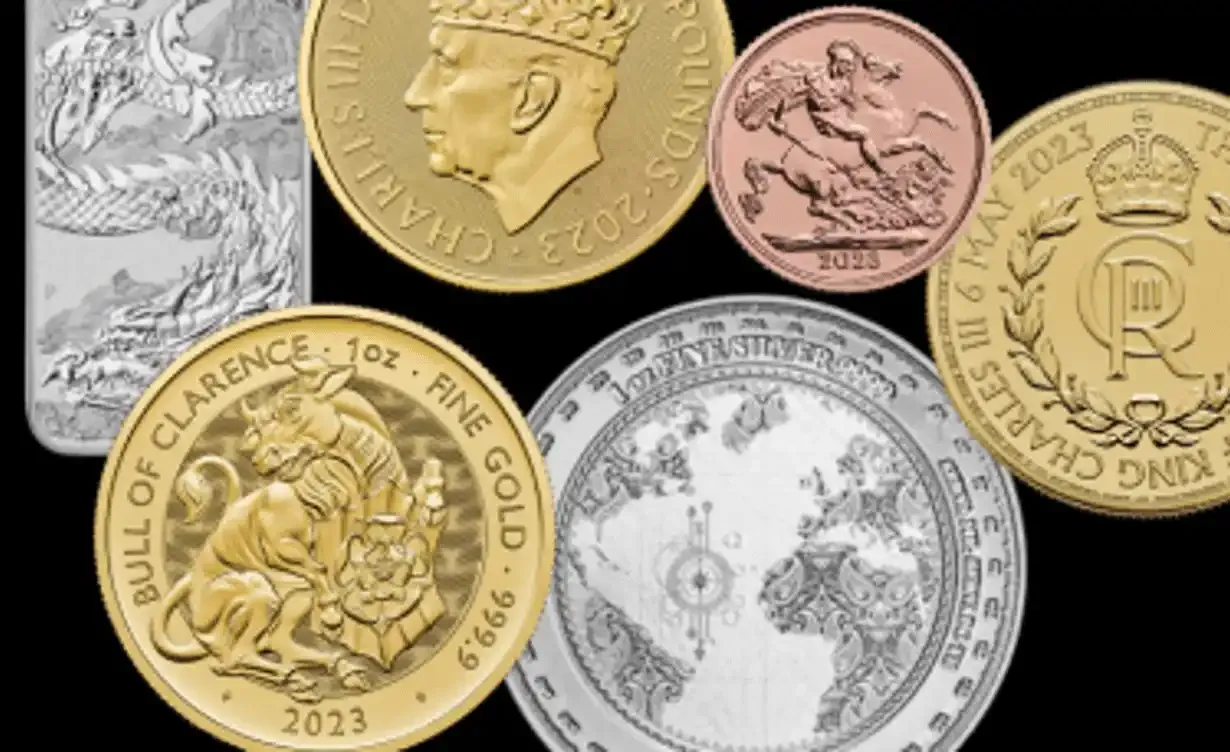
Central banks worldwide added 290 tonnes of gold to their reserves during the third quarter of 2025, continuing the unprecedented accumulation trend that has defined the precious metals market since 2022.
China Leads Global Buying
The People's Bank of China reported the largest single-country increase, adding 78 tonnes during the quarter. This brings China's total reported gold reserves to over 2,400 tonnes—though analysts suspect actual holdings may be significantly higher.
"China's gold strategy is clearly focused on reducing dollar dependency," explains Dr. Sarah Chen, Senior Economist at HSBC. "Given ongoing trade tensions and the desire for reserve diversification, we expect this trend to continue regardless of price levels."
Emerging Markets Drive Demand
Beyond China, several emerging market central banks made substantial additions:
- India: 45 tonnes, citing inflation hedging and cultural affinity for gold
- Turkey: 32 tonnes, despite ongoing currency pressures
- Poland: 22 tonnes, continuing its multi-year accumulation program
- Singapore: 18 tonnes, reinforcing its position as an Asian wealth hub
Notably, these purchases occurred despite gold prices reaching historic highs, underscoring the strategic rather than tactical nature of central bank gold accumulation.
De-Dollarisation Narrative Strengthens
The ongoing shift away from US dollar-denominated reserves has accelerated following Western sanctions on Russian assets. Many central banks now view gold as a "sanctions-proof" asset that cannot be frozen or seized.
According to the IMF, the dollar's share of global reserves has fallen from 71% in 2000 to approximately 58% in 2025. Gold has been a primary beneficiary of this reallocation.
Western Central Banks Remain Stable
In contrast to emerging market buying, developed market central banks have generally maintained stable gold holdings. The Federal Reserve, European Central Bank, and Bank of England made no significant changes to their gold reserves during Q3.
However, analysts note that even stable holdings represent implicit support for gold at current levels, as any Western selling would be significant in the current demand environment.
2025 Full Year Outlook
Based on Q1-Q3 data, central banks are on track to purchase approximately 1,100 tonnes in 2025—the third consecutive year of purchases exceeding 1,000 tonnes.
The World Gold Council projects this elevated demand to continue through 2026, providing a structural floor for gold prices.
Investment Implications
Central bank buying has important implications for retail investors:
- Provides consistent demand support regardless of short-term price movements
- Signals institutional confidence in gold as a long-term store of value
- Reduces likelihood of severe price corrections
- May indicate broader geopolitical concerns worth monitoring
For those seeking to align with central bank strategies, physical gold and CGT-exempt British coins offer direct exposure to this macro trend.